
Mastering Sleep on Airplanes: Tips for Sports Tourism Professionals
PUSH TRAVEL
For sports tourism professionals, travel is an unavoidable and often grueling part of the job. From scouting venues to attending conventions, managing sports events, and meeting with clients across multiple cities or states, being on the road can feel like a second job. Long flights, tight connections, and time zone changes can make it difficult to maintain peak performance and focus. One of the most valuable skills a sports tourism professional can develop is the ability to sleep effectively on airplanes. Sleeping in flight allows you to arrive at your destination refreshed, energized, and ready to perform at your professional best.
Falling asleep on a plane is not always intuitive. The environment can be noisy, cramped, and uncomfortable, with limited control over lighting or temperature. However, with thoughtful preparation, the right mindset, and specific tools, you can significantly improve your chances of getting quality rest in the air.
Choosing the Best Seat for Sleep
One of the most critical factors influencing your ability to sleep is seat selection. While airlines often prioritize cost over comfort, the type of seat you choose can make a huge difference in how well you sleep.
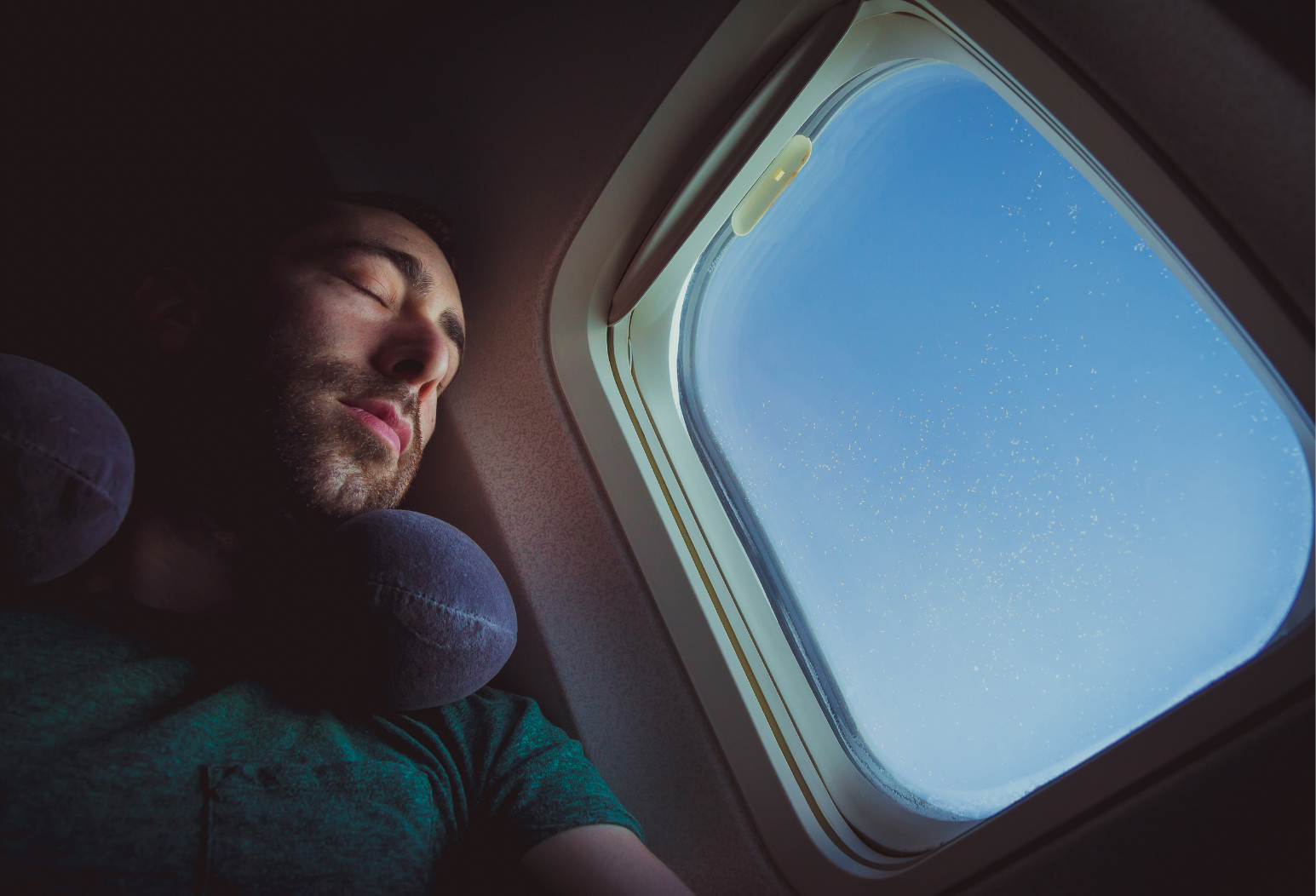
Window seats are usually the top choice for professionals who want to maximize in-flight sleep. A window seat allows you to rest your head against the fuselage or a pillow without being disturbed by other passengers. You also gain control over the window shade, which can help block light and create a sense of privacy. Most importantly, sitting by the window ensures you will not be interrupted by people getting out, which is common with aisle seats.
Middle seats are generally the least preferred for sleeping. You have little personal space, and you are sandwiched between two passengers. This arrangement can make it challenging to stretch your arms or shift positions. Additionally, being in the middle often means repeated disturbances from both neighbors, whether they are adjusting their seats, getting up for the restroom, or using the armrest.
Aisle seats can offer some advantages, particularly if you anticipate needing to get up during the flight. You can stretch your legs into the aisle when the path is clear, and you will not have to climb over someone to leave your seat. However, aisle seats also expose you to more foot traffic, trolleys, and passing passengers, which can disrupt sleep. For longer flights where uninterrupted rest is essential, the aisle seat is generally less desirable than the window seat.
Optimizing Your Sleep Environment
Even with a preferred window seat, the airplane cabin presents unique challenges to sleep. Noise, pressure changes, lighting, and turbulence can all interfere with your rest. Preparing your environment is key.
Noise management is critical. Noise-canceling headphones or earbuds are essential. While some professionals enjoy listening to white noise, ambient sounds, or guided sleep meditations, others prefer complete silence. High-quality noise-canceling headphones can block engine noise and cabin chatter, creating a more peaceful environment conducive to sleep. Earplugs are another inexpensive option, handy for blocking sudden, sharp noises such as announcements or crying infants.
Lighting control is another crucial factor. Eye masks are invaluable for controlling light, especially on daytime flights or when cabin lights are left on during service. Look for contoured masks that do not press against your eyes and allow some air circulation to prevent discomfort during extended use. Combining an eye mask with a window shade can create near-total darkness, signaling your body to transition into sleep mode.
Temperature and comfort also play a significant role. Airplane cabins are often cold, and temperature fluctuations can disrupt sleep. Carry a lightweight, compressible blanket or a travel-sized shawl. Dressing in layers allows you to adjust based on cabin temperature and personal comfort. Some travelers find that bringing a small, inflatable lumbar pillow or seat cushion helps maintain spinal alignment, preventing back pain that can wake you mid-flight.
Pre-Flight Preparation
A successful in-flight sleep often starts before boarding. Sports tourism professionals frequently face tight schedules and early morning departures, making pre-flight preparation essential.
Hydration and diet are essential. Dehydration is a common contributor to discomfort and restlessness on flights. Avoid excessive caffeine and alcohol, as both can disrupt your natural sleep cycle. Instead, drink plenty of water and consume light, balanced meals. Heavy or greasy foods may cause indigestion, further interfering with rest.
Exercise and movement can also help. Engaging in light physical activity before the flight promotes relaxation and improves sleep quality. Walking through the airport or stretching helps reduce tension and encourages blood circulation, reducing the likelihood of cramps or stiffness during extended periods of sitting.
Sleep timing and circadian rhythm are also important considerations. If you are crossing multiple time zones, consider adjusting your sleep schedule before departure. Gradually shifting your sleep and wake times to align with your destination can reduce jet lag and make it easier to fall asleep in the air. Sports tourism professionals often use apps or wearable devices to track sleep patterns and optimize rest timing during flights.
Onboard Sleep Strategies
Once aboard the aircraft, several strategies can help you fall asleep faster and maintain sleep throughout the flight.
Neck support is one of the most common sleep disruptors. A high-quality travel pillow is an investment worth making. Inflatable or memory foam designs offer stability, allowing your head to rest comfortably without straining your neck or shoulders. Some professionals prefer wrap-around pillows that also provide side support, minimizing lateral movement during turbulence.
Recline position is another factor to consider. Reclining your seat slightly without encroaching on the passenger behind you can significantly improve comfort. A slight recline reduces pressure on your lower back and allows your hips and legs to relax. Pairing this with a footrest or rolled-up sweater under your knees can further ease tension.
Sleep-inducing products are available to help travelers. Aromatherapy sprays or essential oils with calming scents, such as lavender, can create a relaxing environment. Melatonin supplements, taken under a healthcare professional's guidance, can help regulate sleep cycles during long flights. Additionally, weighted travel blankets can provide a sense of security and relaxation, mimicking the comfort of home.
Minimizing screen time is important. While it may be tempting to watch movies or scroll through a phone, the blue light emitted by screens can inhibit melatonin production and make it harder to fall asleep. If you must use a device, consider blue-light filters or glasses, or save screen time for after you have secured a restful position.
Mental preparation is essential. The mind often resists sleep in unfamiliar or stressful environments. Practicing relaxation techniques can significantly improve your chances of dozing off. Deep breathing, progressive muscle relaxation, and guided meditation are all effective methods. Visualizing a peaceful setting, such as a quiet beach or a forest trail, can also create the mental cues necessary for sleep.
Maintaining Sleep
Falling asleep is one challenge; staying asleep is another. Several strategies help maintain rest throughout the flight.
Limiting disturbances is crucial. Let flight attendants and nearby passengers know you prefer minimal interruptions. Using a “Do Not Disturb” sign or signal can reduce unwanted conversation or service disruptions.
Seat position adjustments help prevent interruptions. During turbulence or seat adjustments, small movements can disrupt sleep. Anticipate these shifts by securing your pillow, blanket, and personal items before dozing off. Tucking loose items, such as jackets or bags, to stabilize your posture can help prevent waking up due to discomfort.
Noise and motion adaptation improve your chances of continuous sleep. Even with noise-canceling headphones, occasional disturbances occur. Learning to tune out environmental disruptions is a skill developed over time. Focusing on deep, rhythmic breathing or listening to calming music or white noise can help your body re-enter sleep quickly after minor awakenings.
Post-Flight Recovery
After the plane lands, sleep does not end immediately. Stretching, walking, and light hydration help ease the transition from sitting to standing and prevent stiffness. For professionals with back-to-back meetings or events, a short nap of twenty to thirty minutes post-flight can rejuvenate energy levels without interfering with nighttime sleep.
Products and Tools to Consider
Sports tourism professionals often invest in tools that consistently enhance in-flight sleep. Memory foam travel pillows support the neck without collapsing. Noise-canceling headphones reduce engine noise and cabin chatter. Eye masks block light and help signal to the body that it is time to sleep. Travel blankets or shawls maintain warmth and comfort. Compression socks prevent swelling and improve circulation on long flights. Melatonin or herbal sleep supplements can help adjust to time zone changes with guidance from a healthcare professional. Aromatherapy using lavender or chamomile sprays promotes relaxation. Inflatable footrests improve posture and relieve pressure on the legs.
For sports tourism professionals, mastering in-flight sleep is more than a convenience; it is a professional necessity. Well-rested travelers arrive at their destinations alert, focused, and ready to perform at their best, whether negotiating contracts, attending events, or scouting new venues.
Prioritizing seat selection, pre-flight preparation, and the right sleep-inducing tools creates an environment conducive to rest, even in the challenging conditions of airplane cabins. By managing noise, light, posture, and mindset, sports tourism professionals can turn long flights into productive periods of restorative sleep.
Ultimately, the ability to sleep on airplanes improves with practice, planning, and the right equipment. Professionals who master this skill gain a competitive edge, as they can consistently arrive at their destinations energized and ready to meet the demands of the sports tourism industry head-on. With thoughtful preparation and intentional strategies, in-flight sleep can become less of a challenge and more of a reliable tool for professional performance and personal well-being.