
PUSH BUSINESS
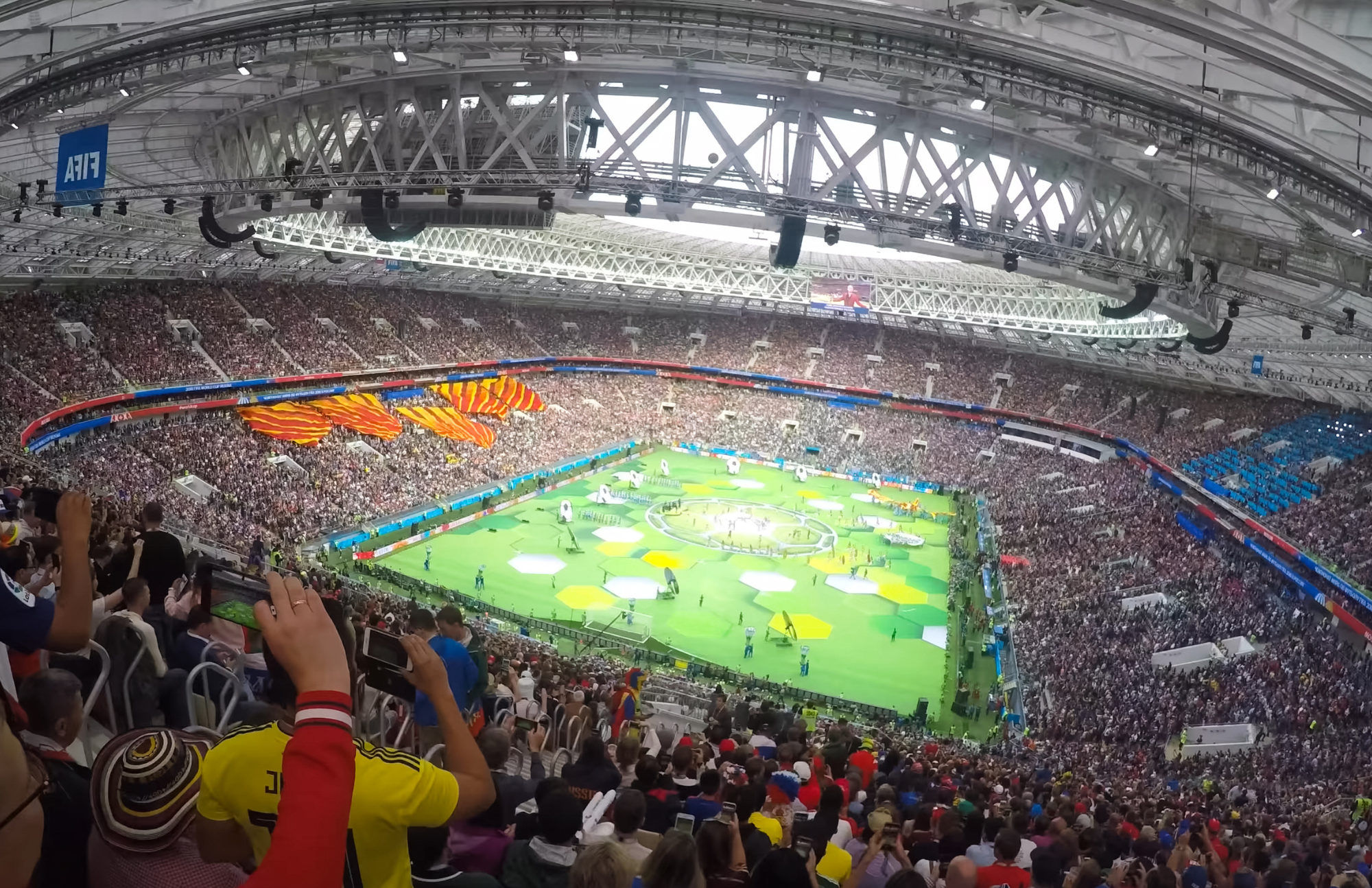
In sports tourism, the real impact of international events does not begin when the first whistle blows or the opening ceremony lights up the sky. It starts years earlier, when destinations begin appearing in travel dreams, social feeds, corporate planning calendars, and family vacation conversations. Events like the FIFA World Cup and the 2028 Olympic and Paralympic Games in Los Angeles are not just moments in time. They are long-term tourism engines that shape travel behavior, infrastructure investment, brand perception, and visitation trends far in advance of the actual competition.
For destinations, rights holders, and sports tourism professionals, understanding these multi-year tourism waves is essential for capturing sustained value long after the closing ceremonies conclude.
International events act as global introductions for host cities and regions. While many spectators may be aware of a destination, hosting the world’s largest sporting events elevates it into an entirely different tier of consideration. Through international broadcasts, documentaries, social media, and sponsorship campaigns, host cities are continuously showcased to billions of viewers. These efforts position destinations not simply as places to visit, but as locations that deliver world-class experiences.
Once a destination gains global relevance, it often remains top of mind for years. Cities that hosted previous Olympic Games, such as London, Barcelona, Tokyo, and Sydney, experienced long-term increases in international visitation following their Games. The exposure reshaped spectator perception and turned many regional destinations into global tourism brands.
The United States is now entering one of the most powerful international event cycles in modern sports tourism history. With the FIFA World Cup in 2026 hosted across multiple U.S. cities, the Olympic and Paralympic Games in Los Angeles in 2028, and more, the country will experience sustained international attention rather than a single tourism spike. This extended spotlight fuels interest in travel well into the next decade.

Travel planning behavior has shifted dramatically. Major trips are increasingly planned years in advance, particularly for international travel and milestone experiences. International events naturally become anchors for these decisions. Families save early, fans research host cities long before tickets go on sale, corporations schedule incentive trips years ahead, and tour operators develop experiences that extend beyond the event dates.
When Los Angeles was awarded the 2028 Olympics in 2017, the tourism wave began almost immediately. Airlines, hotel developers, travel companies, and tourism boards started forecasting demand more than a decade in advance. The same occurred when North America secured the 2026 World Cup, prompting international fans to explore American destinations they had never previously considered visiting.
Infrastructure investment further strengthens these long-term waves of tourism. Host regions pour billions into transportation systems, airport expansions, hotel development, entertainment districts, and venue upgrades. While these improvements support the events themselves, they also serve as tangible achievements that enhance the visitor experience and provide a sense of progress for destination communities.
Los Angeles is already implementing significant transportation improvements ahead of 2028, including airport modernization and expanded public transit. These upgrades have made travel easier, increased accessibility, and elevated the quality of tourism for decades, encouraging repeat visitation long after the Games conclude.
Media storytelling plays a critical role in shaping travel behavior. International events do more than showcase competition. They highlight culture, neighborhoods, food scenes, landscapes, and local experiences. Broadcasters intentionally weave destinations into the narrative, creating emotional connections between viewers and host cities.
A family watching the Olympics may be inspired by Southern California’s beaches and outdoor lifestyle years before booking a trip. A soccer fan following the World Cup may become fascinated by American cities that were previously off their travel radar. These emotional impressions strongly influence future travel choices.
Another powerful effect is the rise of event-adjacent tourism. While some travelers attend the event itself, many more are inspired to visit before or after peak periods. Some prefer to avoid crowds but still explore the destination, while others are motivated by media exposure. Businesses schedule conferences in revitalized districts, youth sports tournaments utilize upgraded facilities, and leisure travelers choose these cities because they now feel vibrant and globally relevant.
In many destinations, post-event tourism surpasses visitation during the event year. The competition serves as the spark, but long-term travel demand becomes the lasting economic driver.
International events also function as an enormous global branding platform. Billions of dollars in exposure are generated through broadcast coverage, streaming platforms, social media storytelling, sponsor campaigns, and influencer content. Host cities are placed alongside the world’s most recognizable travel destinations in the global consciousness.
For the United States, this upcoming decade presents a rare opportunity to elevate dozens of destinations onto the international tourism stage. Both major metropolitan hubs and mid-sized markets will benefit from global awareness that would otherwise take years to build.
The economic ripple effects extend far beyond hotels and flights. Tourism growth fuels restaurant expansion, retail development, outdoor recreation, cultural attractions, real estate investment, convention business, youth sports travel, and regional tourism. Over time, communities become more diversified and economically resilient.

Los Angeles and surrounding communities, such as Long Beach, stands out as powerful examples of how international events can serve as long-term tourism catalysts rather than short-term surges. The region offers beaches, mountains, deserts, entertainment attractions, professional sports venues, and cultural diversity within proximity. This makes Los Angeles a gateway destination, encouraging visitors to explore other regions of California and return for future trips.
For sports tourism professionals, the implications are clear. The most significant opportunities lie in long-term strategies, early market engagement, experience-driven travel offerings, and leveraging infrastructure improvements well beyond the event year. The destinations that think in decades rather than days will see the most substantial returns.
International events are increasingly aligned with today’s experience-driven travel trends. Travelers seek immersive, meaningful moments, and global sporting events deliver shared experiences that inspire curiosity and emotional connection. Social media amplifies this effect, with viral moments instantly driving destination interest and long-term travel planning.
Ultimately, international events are not isolated moments on a calendar. They are powerful tourism movements that reshape perception, influence behavior, and generate sustained economic growth.
For the United States, the World Cup and the Los Angeles Olympics and Paralympics represent a once-in-a-generation opportunity to drive tourism momentum well into the 2030s. These events create waves that carry destinations forward for years.
The real impact begins long before the opening ceremony, and the communities that plan for the long game and invest early will benefit the most Strategic foresight and proactive planning are key to capturing the full long-term tourism potential of international events..